
Unexpected expenses can happen at any time. A medical bill, urgent home repair, job loss, family emergency, or unexpected transportation cost can put pressure on your finances if you do not have money set aside.
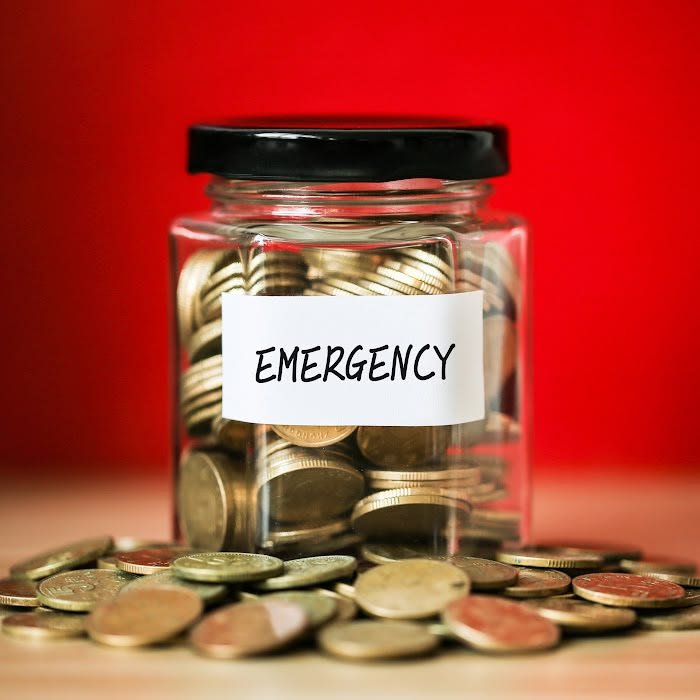
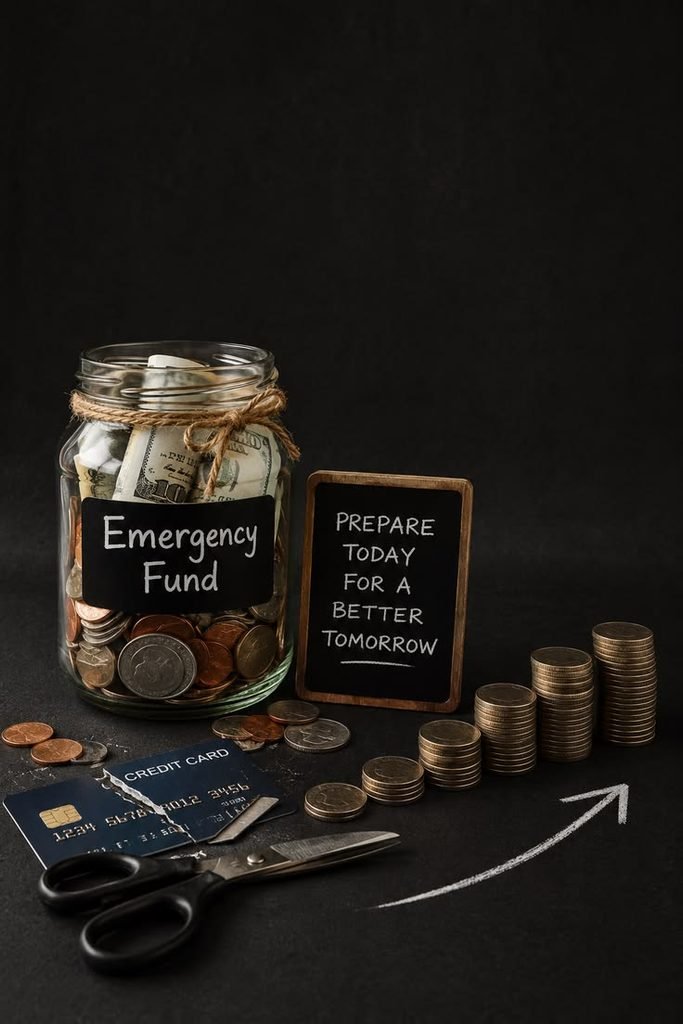
An emergency fund is designed to provide financial protection when unexpected expenses occur. It can help you avoid relying on expensive loans or credit cards and can give you more financial flexibility during difficult periods.
But how much money should you actually keep in an emergency fund?
There is no single amount that works for everyone. The right target depends on your income, monthly expenses, job stability, family responsibilities, debt, and personal circumstances.
What Is an Emergency Fund?
An emergency fund is money specifically reserved for unexpected and necessary expenses.
It is different from money you save for a vacation, a new phone, entertainment, or other planned purchases.
An emergency fund may be used for situations such as:
- Unexpected medical expenses
- Urgent home repairs
- Essential vehicle repairs
- Sudden loss of income
- Emergency travel
- Necessary family expenses
- Other unexpected financial problems
The purpose is to give you a financial cushion when something goes wrong.
Why Is an Emergency Fund Important?
Without emergency savings, an unexpected expense can quickly become a financial crisis.
For example, imagine that you suddenly need ₦200,000 for an urgent expense but have no savings available. You may need to borrow money, use a credit card, sell an investment, or ask someone else for help.
If you already have emergency savings, you may be able to cover the expense without disrupting your regular budget.
An emergency fund can therefore provide both financial protection and greater peace of mind.
How Much Should You Save?
A commonly used guideline is to keep enough money to cover three to six months of essential living expenses.
For example, suppose your essential monthly expenses are:
- Housing: ₦80,000
- Food: ₦50,000
- Transportation: ₦30,000
- Utilities: ₦20,000
- Healthcare and other essentials: ₦20,000
Your essential expenses would total ₦200,000 per month.
Three months of essential expenses would equal:
₦200,000 × 3 = ₦600,000
Six months would equal:
₦200,000 × 6 = ₦1,200,000
This gives you a potential emergency-fund range of ₦600,000 to ₦1.2 million.
However, this is only a general guideline. Your personal target may be lower or higher.
Start With a Smaller Goal if Necessary
If saving three to six months of expenses feels impossible, do not let the size of the target stop you from starting.
You can begin with a smaller goal.
For example, your first target could be:
₦50,000 → ₦100,000 → ₦250,000 → ₦500,000
Once you reach one target, you can work toward the next.
The most important thing is developing the habit of regularly putting money aside.
A small emergency fund is generally more useful than having no emergency savings at all.
Consider Your Job Stability
Your employment situation can influence how much emergency savings you may want.
Someone with a highly stable job and predictable income may have different needs from someone whose income changes significantly from month to month.
If your income is unpredictable, you may want to consider building a larger emergency reserve.
Self-employed workers, freelancers, business owners, and people who depend heavily on commissions may face greater income variability and may benefit from having more cash available for emergencies.
Consider Your Family Responsibilities
Your financial responsibilities also matter.
If you support children, elderly relatives, or other family members, an unexpected financial problem may affect more than just you.
For this reason, someone with several dependents may need a larger emergency fund than someone with fewer financial responsibilities.
Think about how much money you would realistically need to continue covering essential household expenses if your income were temporarily reduced.
Consider Your Monthly Expenses
Your emergency fund should be based primarily on your essential expenses rather than your entire lifestyle.
Essential expenses may include:
- Housing
- Basic food
- Utilities
- Transportation
- Healthcare
- Insurance
- Minimum debt payments
- Other necessary bills
Expenses such as vacations, luxury purchases, entertainment, and other discretionary spending may not need to be included in your emergency-fund calculation.
Knowing your essential monthly expenses makes it easier to calculate a realistic target.
Where Should You Keep Emergency Savings?
Emergency savings should generally be kept somewhere relatively safe and accessible.
The money should be available when you genuinely need it.
Depending on your country and financial system, suitable options may include certain savings or deposit accounts offered by regulated financial institutions.
The primary purpose of emergency savings is accessibility and preservation of funds, not maximizing investment returns.
Keeping emergency money in a highly volatile investment could expose you to the risk of having to sell when prices are down.
Keep Your Emergency Fund Separate
It can be helpful to keep emergency savings separate from the account you use for everyday spending.
If your emergency fund is mixed with your regular spending money, you may be more likely to use it for non-essential purchases.
A separate account can create a psychological barrier between everyday spending and emergency savings.
You can also give the account a clear purpose, such as “Emergency Fund,” so you know exactly what the money is intended for.
What Counts as a Financial Emergency?
Not every unexpected purchase is an emergency.
A genuine emergency might include:
- Sudden medical expenses
- Essential home repairs
- Necessary vehicle repairs
- Loss of employment
- Urgent family situations
On the other hand, buying a new television because your current one is old or purchasing expensive clothing because it is on sale would generally be considered discretionary spending rather than an emergency.
Defining your emergency rules in advance can help you protect your savings.
How Can You Build an Emergency Fund?
Building an emergency fund takes time, especially if your income is limited.
Start by choosing an amount you can realistically save each month.
For example, if you can save ₦20,000 per month:
₦20,000 × 12 months = ₦240,000
If your income increases, you could increase your monthly contribution.
You can also direct unexpected money toward your emergency fund, such as:
- Bonuses
- Freelance income
- Gifts
- Refunds
- Extra business income
However, make sure your regular financial obligations are covered first.
Should You Invest Your Emergency Fund?
An emergency fund generally has a different purpose from long-term investments.
Investments can rise and fall in value, while emergency savings need to be available when an unexpected expense occurs.
For that reason, many people keep their emergency fund in relatively liquid, lower-risk savings vehicles rather than volatile investments.
Once your emergency fund is adequately established, you can consider how additional money might fit into longer-term savings or investment goals.
What If You Use Your Emergency Fund?
Using your emergency savings for a genuine emergency is exactly what the fund is designed for.
Do not feel that you have failed if you need to use it.
After the emergency has passed, review your finances and begin rebuilding the fund.
For example, if your emergency fund falls from ₦500,000 to ₦200,000 after an unexpected expense, you can gradually rebuild it toward your original target.
Common Emergency Fund Mistakes
Saving Too Little
Having only a small amount may not provide enough protection for major unexpected expenses.
Investing Emergency Money in Risky Assets
The value of volatile investments can fall when you need the money.
Using Emergency Savings for Wants
Frequent withdrawals for shopping or entertainment can prevent the fund from serving its purpose.
Waiting for the Perfect Time to Start
You do not need to save the entire target immediately. Starting with a small amount is better than delaying indefinitely.
Final Thoughts
There is no universal emergency-fund amount that works for everyone. A commonly used starting point is three to six months of essential living expenses, but your ideal target depends on your personal circumstances.
Consider your income stability, monthly expenses, family responsibilities, debt, and other financial obligations when deciding how much to save.
If a large emergency fund seems overwhelming, start with a smaller target and increase it gradually.
The goal is to create a financial cushion that can help you handle unexpected expenses without completely disrupting your financial life. By saving consistently and keeping the money accessible, you can build greater financial resilience and be better prepared when unexpected costs arise.