

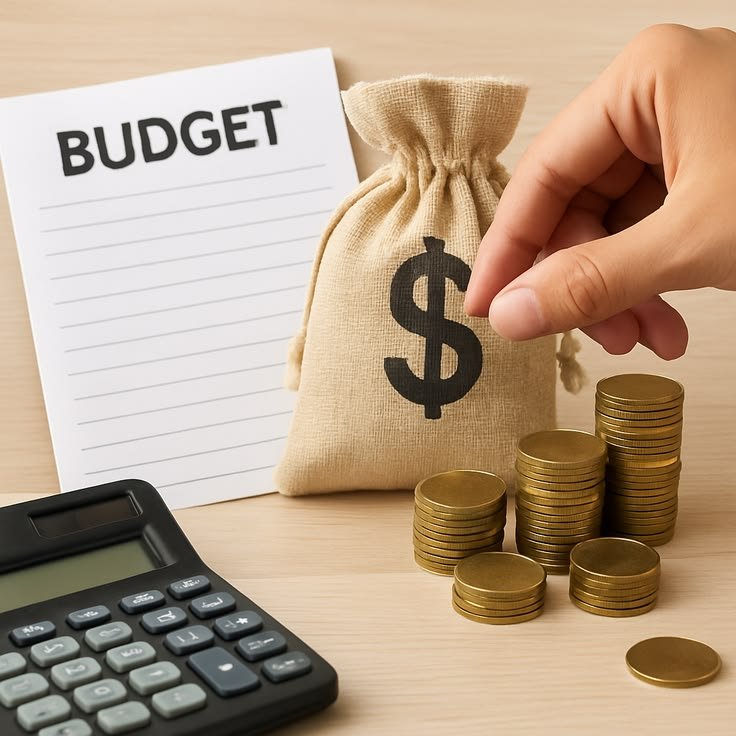
Creating a budget is one of the most important steps toward better money management. A good budget can help you understand where your money goes, control unnecessary spending, save for important goals, and prepare for unexpected expenses.
However, many people create budgets that look good on paper but become difficult to follow after a few weeks. The problem is often not budgeting itself. It is creating a plan that does not match real income, expenses, and everyday habits.
A budget that actually works should be realistic, flexible, and easy to maintain. Here is how you can create one that fits your financial life.
1. Understand Why You Need a Budget
Before creating a budget, identify what you want it to accomplish.
You may want to:
- Save more money
- Reduce unnecessary spending
- Pay off debt
- Build an emergency fund
- Prepare for a major purchase
- Control monthly expenses
- Start investing
- Avoid spending more than you earn
Having a clear reason for budgeting can make it easier to stay committed.
Instead of thinking about a budget as a restriction, think of it as a plan that tells your money where to go.
2. Calculate Your Monthly Income
The first practical step is determining how much money you have available.
If you receive a regular salary, use your actual take-home income rather than your gross salary.
If you are self-employed, freelance, or have an irregular income, calculate an average based on your recent earnings. It may also be sensible to create your budget using a conservative income estimate.
Your income could include:
- Salary
- Business income
- Freelance work
- Commissions
- Bonuses
- Rental income
- Other reliable sources
Knowing your real income gives you a starting point for the rest of your budget.
3. List All Your Expenses
Next, write down everything you regularly spend money on.
Divide your expenses into categories such as:
Housing: Rent, mortgage, maintenance.
Food: Groceries, restaurants, delivery.
Transportation: Fuel, public transportation, vehicle costs.
Utilities: Electricity, water, internet, phone.
Debt: Loan payments and other obligations.
Personal: Clothing, entertainment, hobbies.
Financial goals: Savings and investments.
Do not forget occasional expenses. Things such as school fees, annual subscriptions, repairs, birthdays, holidays, and insurance payments can cause problems when they are not included in a budget.
4. Separate Needs From Wants
A useful budgeting exercise is separating essential expenses from discretionary spending.
Needs are expenses that are necessary for basic living or important financial obligations.
Examples include:
- Housing
- Food
- Basic transportation
- Utilities
- Healthcare
- Required debt payments
Wants are expenses that improve your lifestyle but are not essential.
Examples include:
- Entertainment
- Restaurant meals
- Expensive clothing
- Premium subscriptions
- Hobbies
- Non-essential shopping
This does not mean you should eliminate all wants. Instead, understanding the difference allows you to decide how much money you can comfortably allocate to them.
5. Set Realistic Spending Limits
One of the biggest budgeting mistakes is creating unrealistic spending limits.
For example, if you normally spend ₦50,000 on groceries and suddenly set a budget of ₦15,000 without changing your circumstances, you may quickly exceed your target.
Instead, look at your actual spending history and make gradual adjustments.
If you spend ₦50,000, perhaps you can initially target ₦45,000 and then look for ways to reduce the amount further.
A realistic budget is usually easier to maintain than an extremely restrictive one.
6. Choose a Budgeting Method
There are several ways to organize your budget.
One popular approach is the 50/30/20 framework, which broadly divides income into:
- 50% for needs
- 30% for wants
- 20% for savings and debt repayment
However, these percentages are not universal rules. Your personal situation may require a completely different structure.
For example, someone with high housing costs or significant debt may need to allocate more toward essential expenses.
The best budgeting method is one that you can understand, maintain, and adjust when necessary.
7. Make Saving Part of the Budget
Do not treat savings as money that you will keep only if something remains at the end of the month.
Instead, make savings a planned category.
For example, if your monthly income is ₦300,000, you might decide to set aside ₦30,000 toward your savings goal.
Your savings could be divided into different purposes:
- Emergency fund
- Education
- Business
- Major purchase
- Retirement
- Investment
The exact amount depends on your financial circumstances.
8. Build an Emergency Fund
An emergency fund can protect your budget when unexpected expenses occur.
Unexpected costs could include:
- Medical bills
- Urgent repairs
- Temporary loss of income
- Essential travel
- Other unforeseen expenses
Without emergency savings, an unexpected expense may force you to borrow money or use funds intended for other goals.
The appropriate emergency-fund size depends on your income, expenses, job stability, dependents, and other circumstances.
9. Track Your Spending
A budget cannot work effectively if you do not know what you are actually spending.
Track your expenses throughout the month.
You can use:
- A notebook
- Spreadsheet
- Banking app
- Budgeting application
- Mobile phone notes
At the end of each week, compare your actual spending with your planned spending.
If you notice that one category is consistently higher than expected, investigate why and adjust your budget.
10. Include Fun Money
A budget that allows no room for enjoyment can become difficult to maintain.
You should consider creating a reasonable category for discretionary spending.
This could cover:
- Entertainment
- Eating out
- Hobbies
- Social activities
- Personal purchases
Giving yourself a planned amount for these expenses can help prevent the feeling that budgeting means giving up everything you enjoy.
11. Plan for Irregular Expenses
Not every expense occurs every month.
You may have annual or occasional costs such as:
- School fees
- Insurance
- Vehicle maintenance
- Birthdays
- Holidays
- Property repairs
- Annual subscriptions
Instead of waiting until the expense arrives, estimate the yearly cost and divide it into monthly savings.
For example, if you expect an annual expense of ₦120,000, setting aside ₦10,000 per month could help you prepare for it.
12. Automate Your Financial Plan
Automation can make budgeting easier.
If your bank supports scheduled transfers, you could automatically move a planned amount into your savings account after receiving your income.
This reduces the temptation to spend money that you intended to save.
However, always make sure your automatic transfers are affordable and do not interfere with essential bills.
13. Review Your Budget Every Month
Your budget should not remain exactly the same forever.
Your income and expenses can change because of:
- A new job
- Salary increases
- Higher prices
- Moving to a new home
- New family responsibilities
- New debts
- Changes in transportation costs
At the end of each month, review your budget and make adjustments.
Ask yourself:
What worked?
What did not work?
Where did I overspend?
Where can I reduce costs?
Am I saving enough for my goals?
14. Avoid Common Budgeting Mistakes
Several mistakes can make a budget difficult to maintain.
Being Too Strict
A budget that leaves no room for unexpected costs or enjoyment may be unrealistic.
Forgetting Small Expenses
Small purchases can add up significantly over time.
Ignoring Irregular Costs
Annual and occasional expenses should be included in your planning.
Setting Unrealistic Goals
A savings target should fit your actual financial situation.
Not Reviewing the Budget
A budget needs regular adjustments as your circumstances change.
A Simple Budgeting Formula
You can create your own system using this basic structure:
Income
− Essential expenses
− Debt payments
− Savings
− Discretionary spending
= Remaining money
The goal is to make sure your planned expenses and savings do not consistently exceed your income.
If they do, you may need to reduce expenses, increase income, adjust savings targets, or reconsider certain financial commitments.
Final Thoughts
A budget works best when it reflects your real life.
You do not need a complicated spreadsheet or a perfect financial plan. Start by understanding your income, tracking your expenses, separating needs from wants, setting realistic limits, and creating specific savings goals.
Review your budget regularly and make adjustments when your circumstances change.
The purpose of budgeting is not simply to stop spending money. It is to help you use your money intentionally so that today’s expenses do not prevent you from reaching tomorrow’s financial goals.
A simple, realistic budget that you can follow consistently is often more useful than a perfect budget that you abandon after a few weeks.