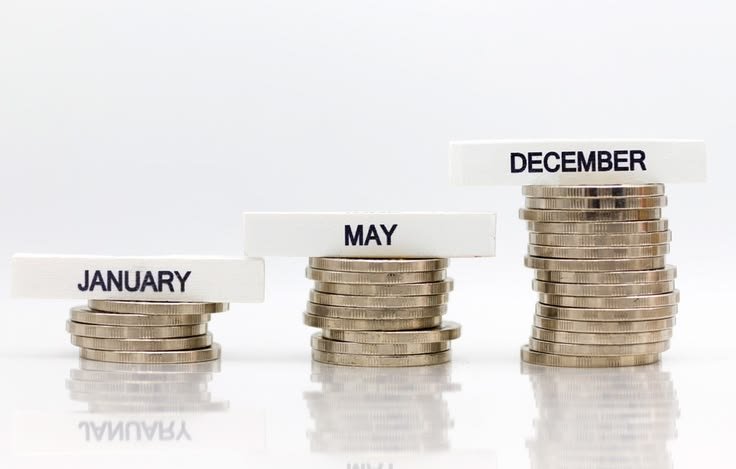


Saving money every month can be difficult when you have bills, daily expenses, unexpected costs, and other financial responsibilities. Many people want to save more but feel that there is not enough money left after paying for everything they need.
The good news is that saving does not always require a major lifestyle change. Small adjustments to your spending habits, combined with a clear financial plan, can help you gradually increase your savings.
Whether you are saving for an emergency fund, a major purchase, education, a business, or your future, the following strategies can help you create a more effective saving routine.
1. Create a Monthly Budget
One of the first steps toward saving more money is creating a realistic monthly budget.
A budget shows how much money you receive and where that money goes. Start by calculating your monthly income and then list your regular expenses.
Include expenses such as:
- Housing
- Food
- Transportation
- Utilities
- Phone and internet
- Debt payments
- Entertainment
- Shopping
- Savings
Once you can see your spending clearly, you can identify areas where you may be able to reduce unnecessary expenses.
A budget does not mean that you cannot enjoy your money. Instead, it helps you decide how much you can comfortably spend while still working toward your savings goals.
2. Track Your Spending
You may be surprised by how much money disappears through small purchases.
Buying snacks, ordering food, paying for subscriptions, or making frequent small purchases may not seem expensive individually. However, these expenses can add up over a month.
Try tracking every purchase for 30 days.
You can use a notebook, spreadsheet, banking application, or budgeting app.
At the end of the month, divide your expenses into categories and look for patterns.
You may discover that one or two categories are using much more of your income than expected.
3. Set a Specific Savings Goal
Saving becomes easier when you know exactly what you are saving for.
Instead of saying, “I want to save more,” create a specific goal.
For example:
“I want to save ₦300,000 over the next six months.”
A specific goal gives you something measurable to work toward.
You can create different goals for:
- Emergency savings
- Education
- A business
- A car
- A home
- Travel
- Retirement
- Major purchases
Breaking a large goal into smaller monthly or weekly targets can also make it feel more achievable.
4. Pay Yourself First
Many people follow this pattern:
Income → Expenses → Whatever is left goes to savings.
The problem is that there may be little or nothing left at the end of the month.
Instead, consider making saving one of your first financial priorities.
For example, if you receive your monthly income and have decided that you can comfortably save ₦30,000, move that amount into your savings account before spending on non-essential purchases.
This approach can help turn saving into a regular habit.
5. Reduce Unnecessary Subscriptions
Subscriptions can quietly consume a significant amount of money over time.
Review your monthly subscriptions and ask:
- Do I use this service regularly?
- Do I need multiple similar services?
- Can I use a cheaper alternative?
- Is this expense helping me reach my financial goals?
Canceling services you rarely use can immediately reduce your monthly expenses.
Even a few small subscriptions can add up over an entire year.
6. Cook More Meals at Home
Food is one area where many people can potentially reduce spending.
Eating at restaurants, ordering delivery, and purchasing prepared meals frequently can become expensive.
Preparing more meals at home can help you control how much you spend on food.
You can also:
- Plan meals in advance
- Create a shopping list
- Compare prices
- Buy commonly used items in appropriate quantities
- Reduce food waste
This does not mean eliminating restaurants completely. The goal is to make eating out a planned expense rather than an automatic habit.
7. Avoid Impulse Purchases
Impulse purchases can make it difficult to reach savings goals.
Before buying something that is not essential, give yourself time to think about it.
Ask yourself:
Do I need this?
Can I afford it?
Is it included in my budget?
Would I rather use this money toward an important financial goal?
For larger purchases, consider waiting several days before making a decision.
This simple habit can help reduce unnecessary spending.
8. Compare Prices Before Buying
Do not assume that the first price you see is the best price.
Before making a significant purchase, compare prices from different sellers.
You can also check:
- Discounts
- Promotions
- Alternative brands
- Used or refurbished options
- Different package sizes
However, remember that the cheapest option is not always the best value. Consider quality, durability, warranty, and long-term costs.
9. Automate Your Savings
Automation can make saving easier because you do not have to remember to transfer money manually every month.
If your financial institution provides scheduled transfers, you may be able to arrange for a predetermined amount to move into a separate savings account regularly.
For example, you could schedule a transfer shortly after receiving your income.
Make sure the amount you automate is realistic so that essential bills and expenses can still be covered.
10. Use Separate Accounts for Different Goals
Keeping all your money in one account can make it easier to spend money that you intended to save.
Consider separating your money into different categories.
For example:
Everyday account: Daily expenses and bills.
Emergency savings: Unexpected expenses.
Goal savings: Money for a specific future purchase.
Investment account: Long-term investments, where appropriate.
This structure can make it easier to see your progress and avoid accidentally spending your savings.
11. Reduce Energy and Household Costs
Small changes around your home can also reduce expenses.
Depending on your circumstances, you may be able to save money by:
- Turning off unused appliances
- Reducing unnecessary water usage
- Comparing utility providers where possible
- Maintaining household equipment
- Avoiding unnecessary purchases
The amount saved from each individual change may be small, but consistent savings can add up over time.
12. Increase Your Income
Saving does not always have to come from cutting expenses.
Another way to improve your financial situation is to increase your income.
Depending on your skills and circumstances, you could explore:
- Freelancing
- Part-time work
- Selling products
- Consulting
- Online services
- Developing new professional skills
- Starting a small business
Additional income can give you more money to put toward savings or other financial goals.
However, extra income should be managed carefully. Increasing income without controlling spending can still result in little or no additional savings.
13. Avoid Lifestyle Inflation
When your income increases, it can be tempting to immediately increase your spending.
For example, someone who receives a salary increase may begin spending more on entertainment, clothing, transportation, or expensive purchases.
Instead, consider directing part of the additional income toward savings.
You can enjoy some of the increase while still using a portion to strengthen your financial position.
14. Review Your Progress Every Month
Your savings plan should be reviewed regularly.
At the end of each month, ask yourself:
- How much did I save?
- Did I stay within my budget?
- Which expenses were higher than expected?
- Which expenses can I reduce?
- Did my income change?
- Am I making progress toward my savings goal?
If something is not working, adjust your plan rather than giving up completely.
A Simple Monthly Saving Strategy
You can use this process every month:
1. Calculate your income.
2. List essential expenses.
3. Set a realistic savings target.
4. Transfer your planned savings.
5. Pay important bills and obligations.
6. Control discretionary spending.
7. Track your expenses.
8. Review your results at the end of the month.
This creates a simple cycle that can become a long-term financial habit.
Final Thoughts
Saving more money every month does not necessarily require earning a huge income. It begins with understanding where your money goes and making deliberate decisions about how you use it.
Creating a budget, tracking expenses, reducing unnecessary spending, avoiding impulse purchases, automating savings, and setting clear financial goals can all help you build stronger money habits.
Remember that progress does not have to be perfect. Even a small amount saved consistently can become meaningful over time.
The most important step is to start with an amount you can realistically afford, make saving a regular habit, and gradually improve your financial plan as your income and circumstances change.